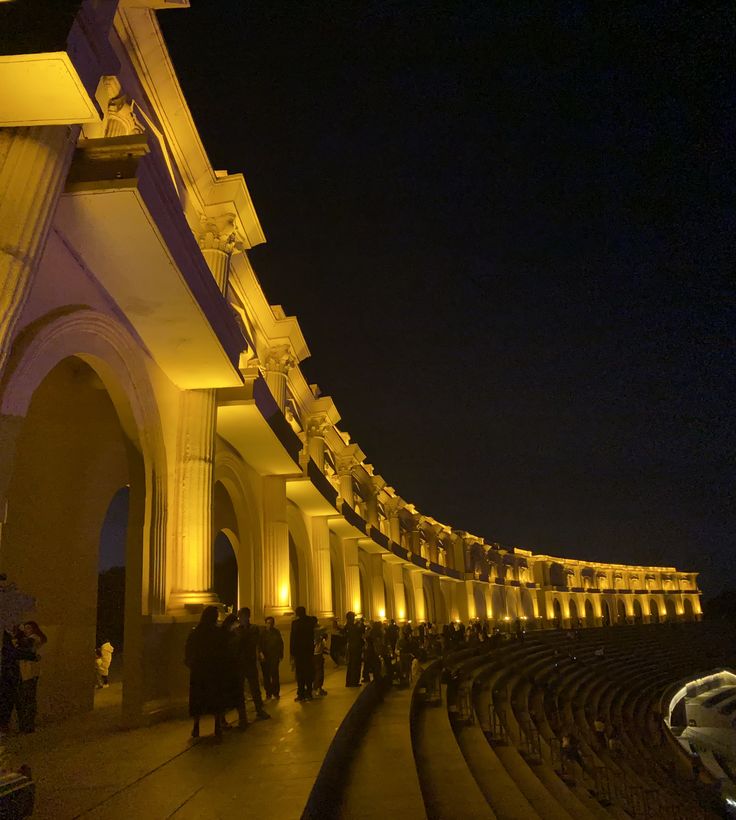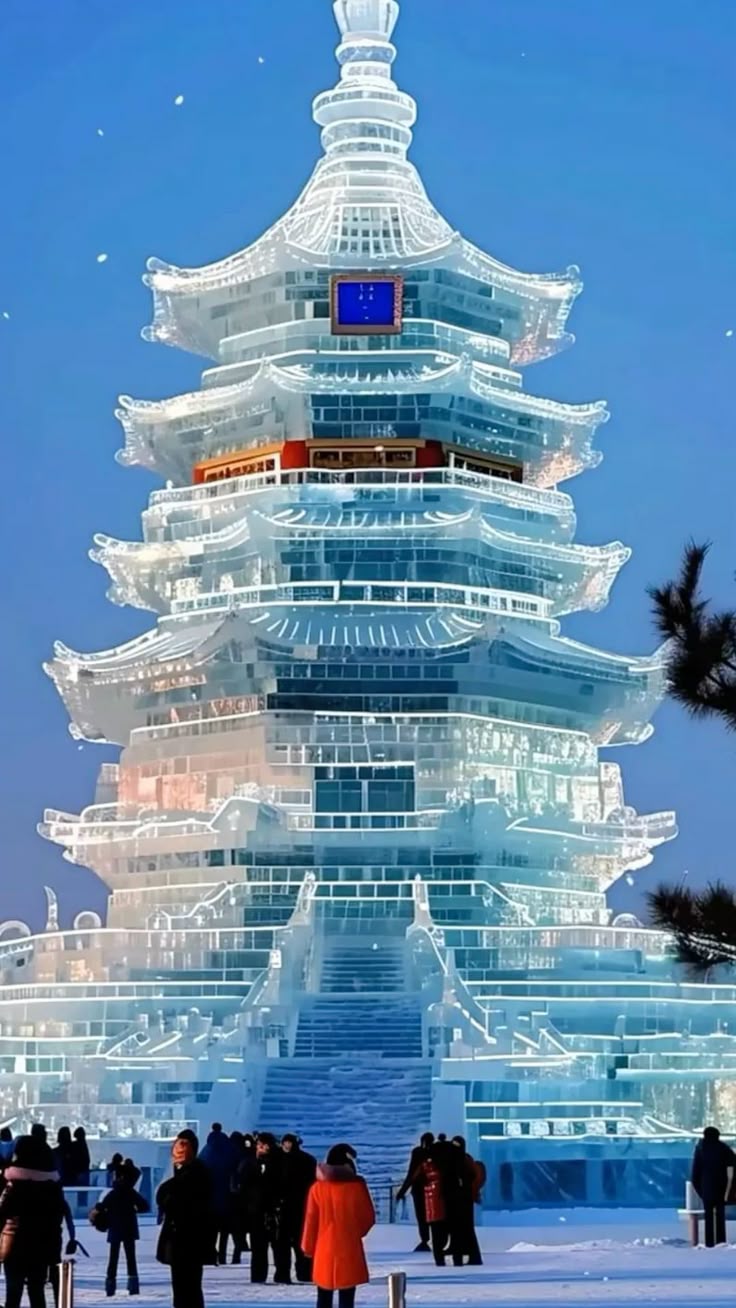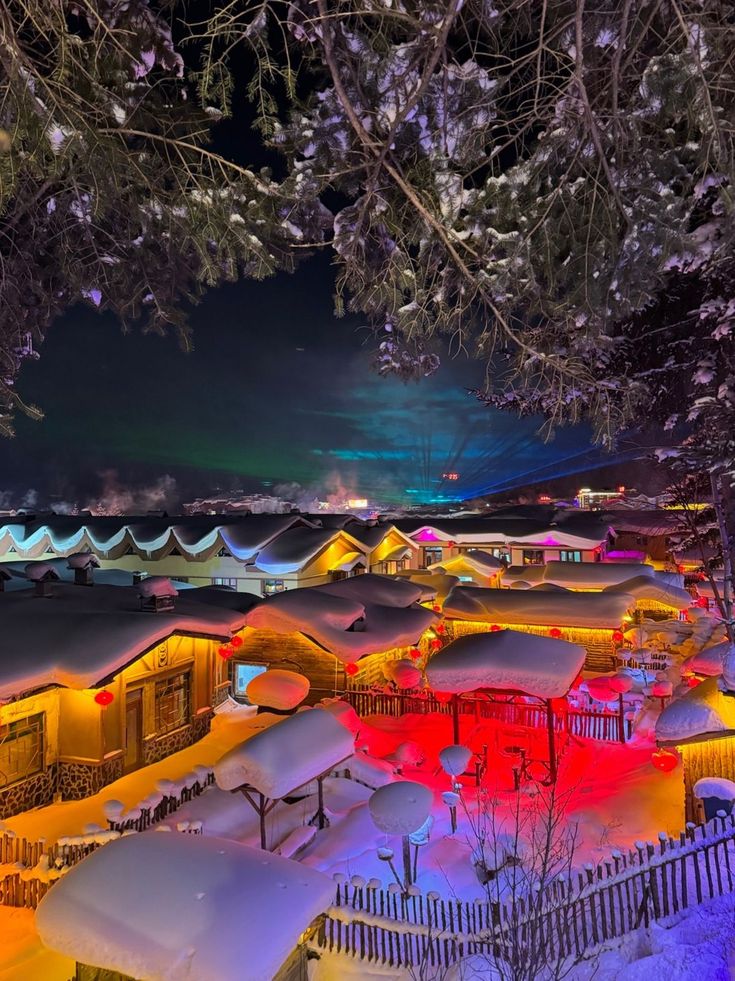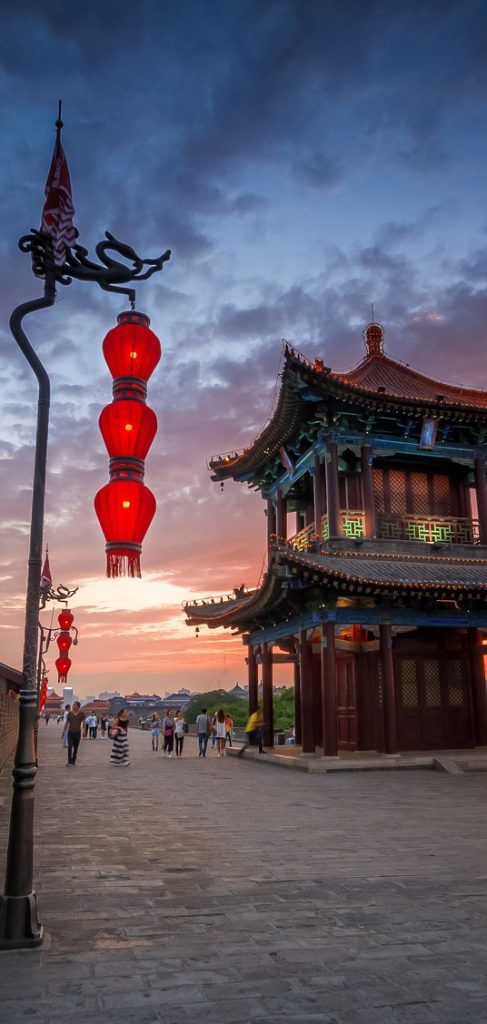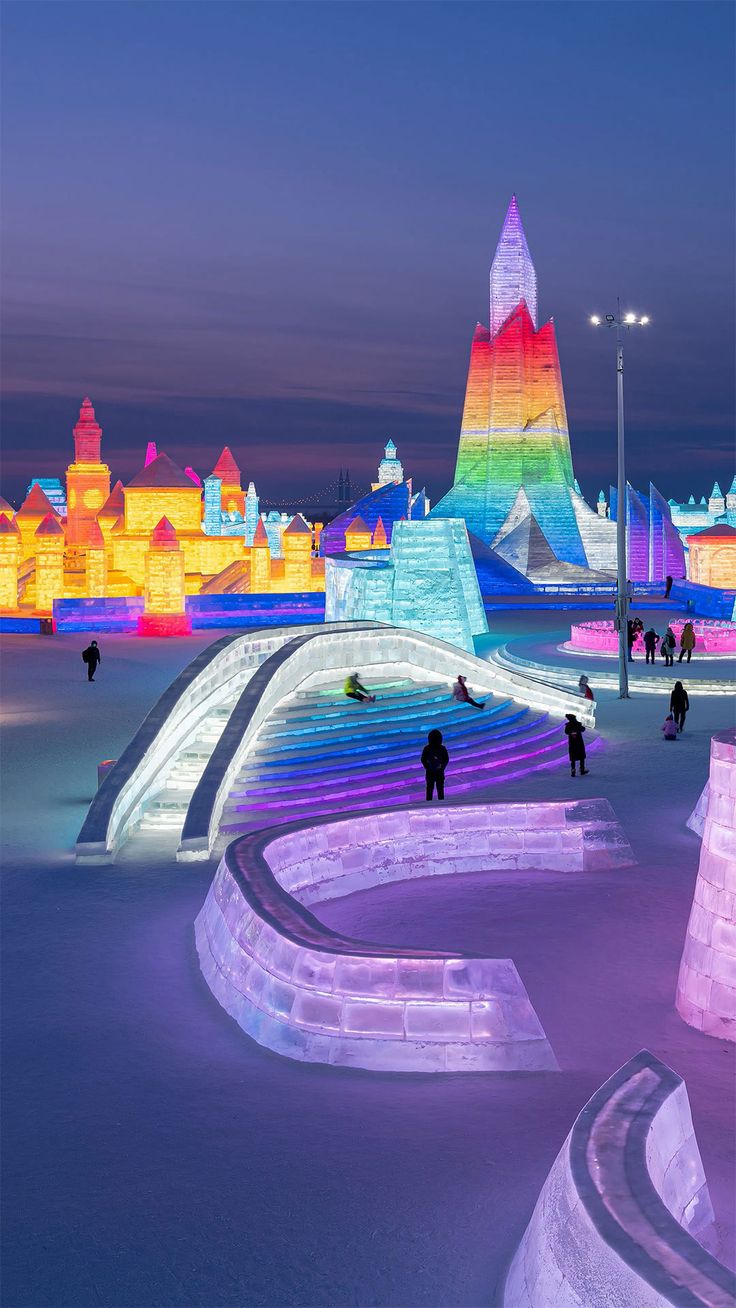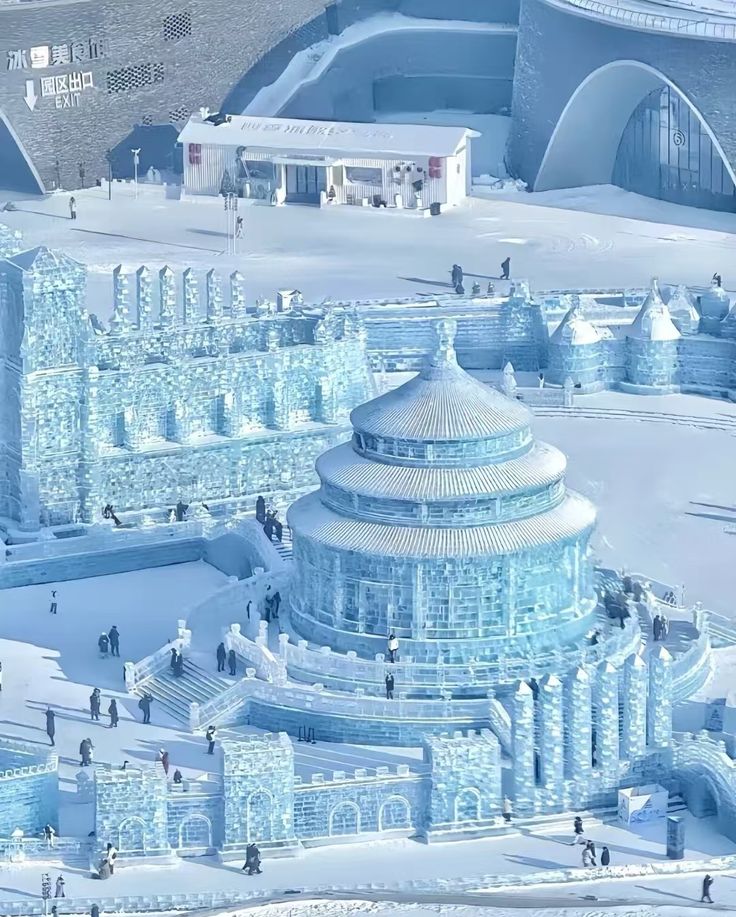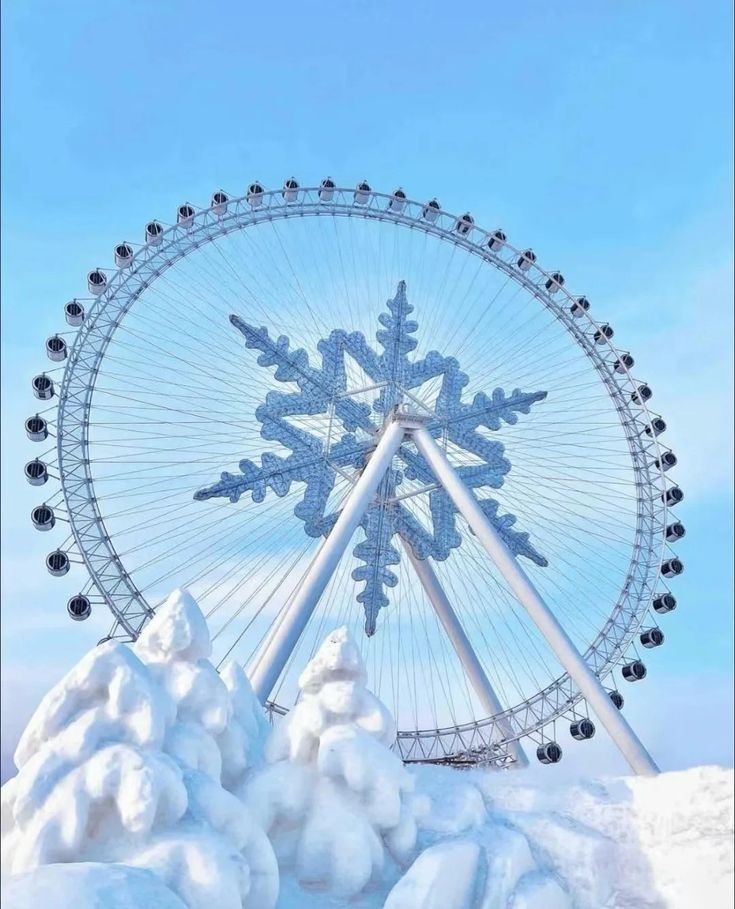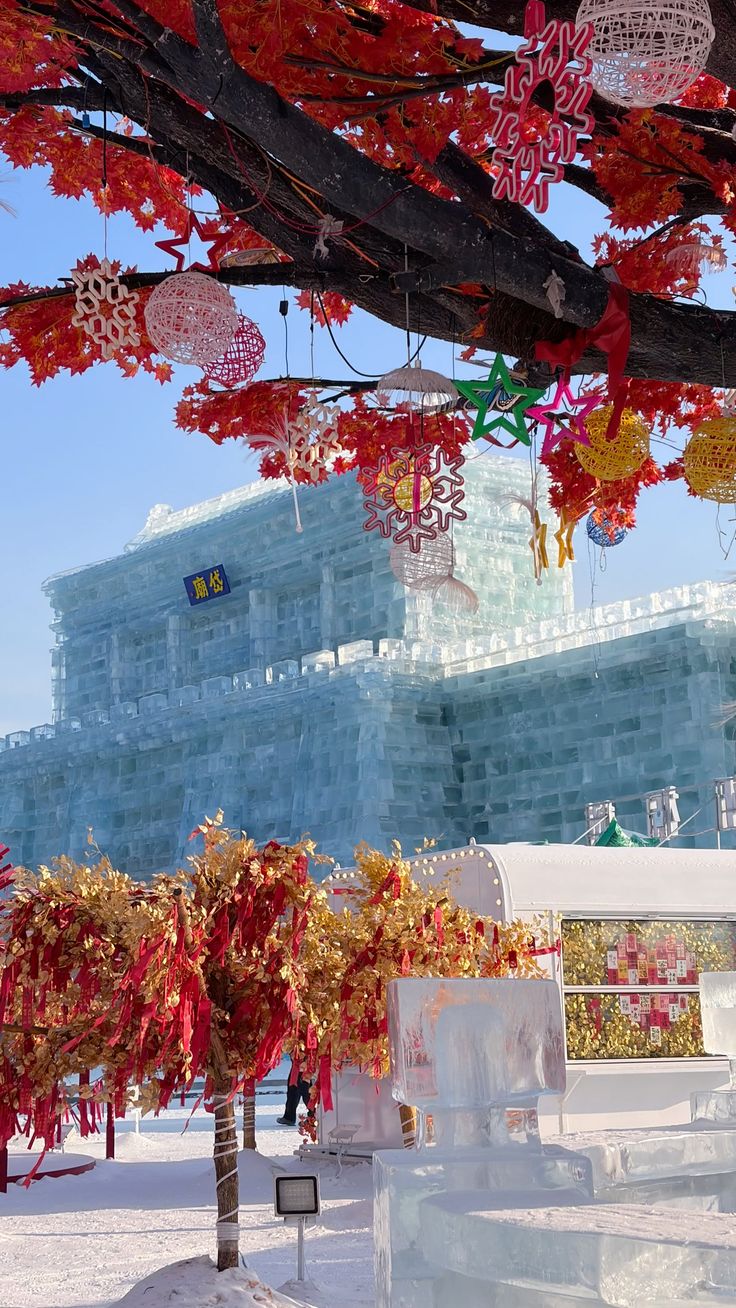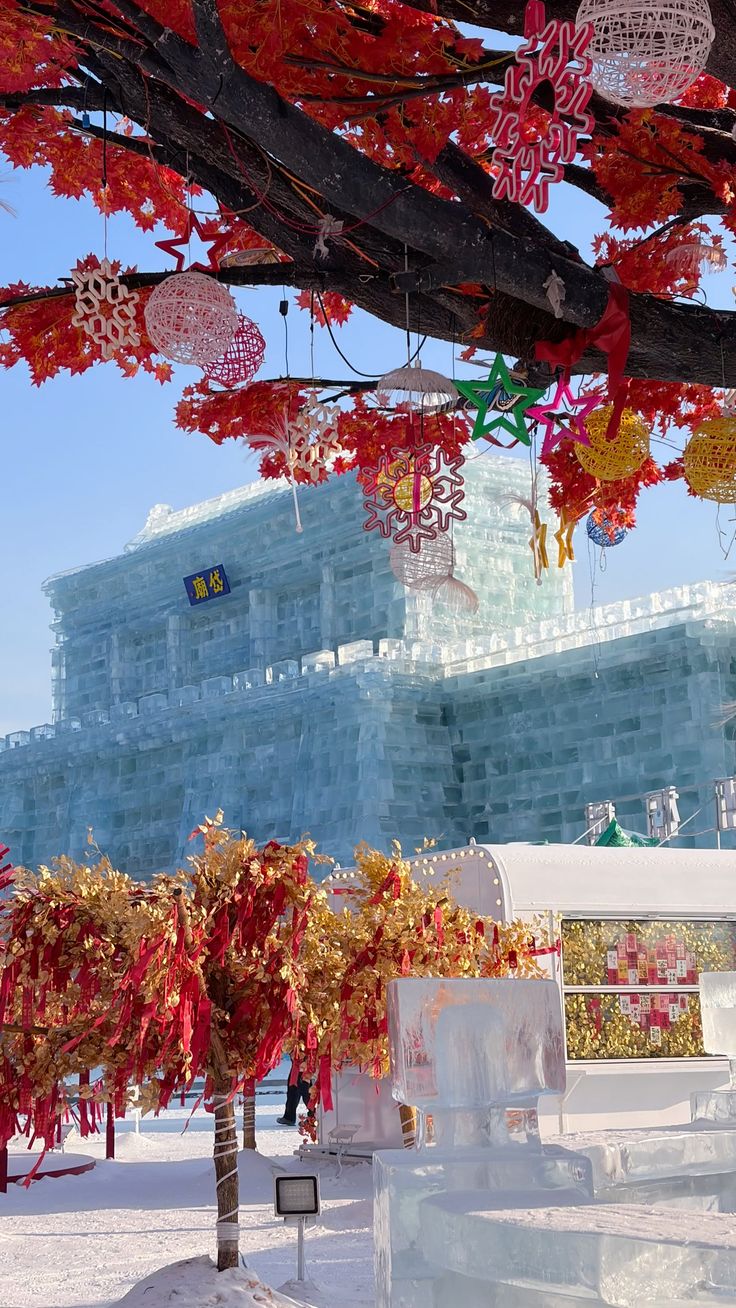
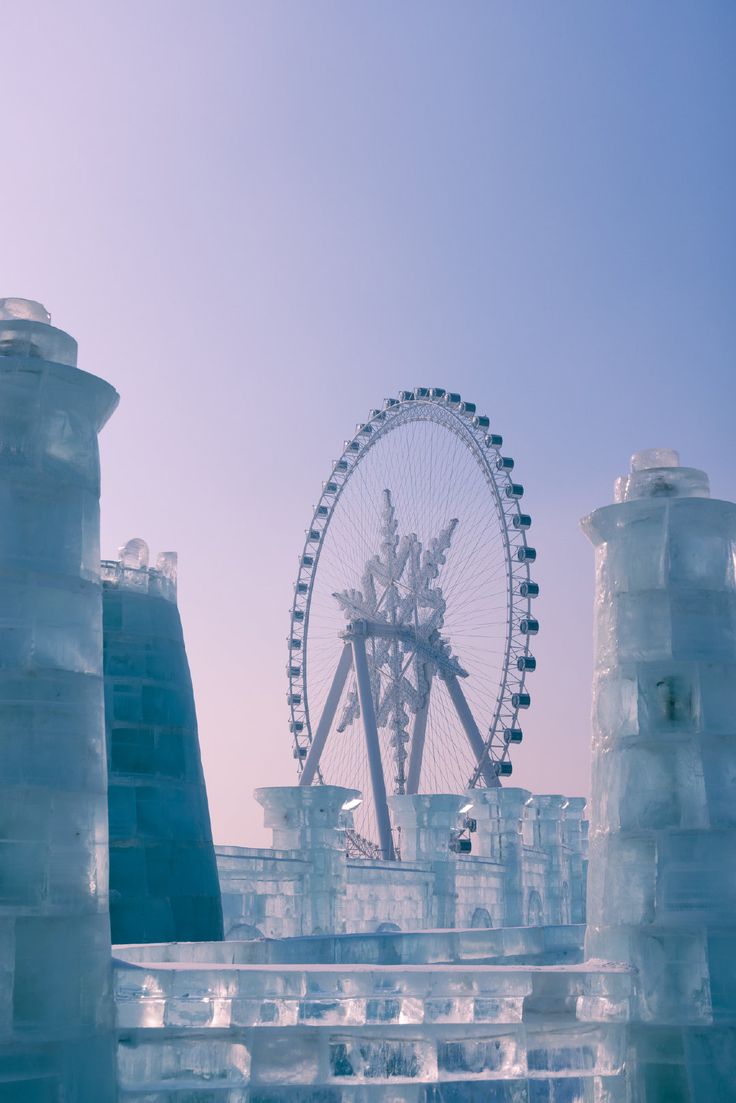
Harbin, the capital of China’s Heilongjiang province, is a captivating blend of Russian architectural influence and extreme winter spectacles. Known as the "Ice City," it is world-renowned for the Harbin International Ice and Snow Sculpture Festival, where massive, neon-lit citadels are carved entirely from river ice. Beyond the frost, the city’s history as a former hub for the Trans-Siberian Railway is visible in the cobblestone streets of Central Street and the green-domed St. Sophia Cathedral, a stunning example of Byzantine design. During the warmer months, the city transforms into a breezy retreat, with the Songhua River providing a scenic backdrop for the city's burgeoning "UNESCO City of Music" culture.
Yichun, located roughly 350 kilometers northeast of Harbin, offers a starkly different atmosphere as China’s premier "Forest City." Nestled within the Lesser Khingan Mountains, it is characterized by vast, primeval Korean pine forests and a sprawling network of wetlands and rivers. While Harbin thrives on urban grandeur and ice artistry, Yichun is a sanctuary for eco-tourism and geological wonders, such as the Tangwanghe National Park, famous for its granite "stone forests" that pierce through the dense canopy. The air quality and tranquil hiking trails make it a favored destination for those seeking a quiet escape into the rugged, natural beauty of Northeast China’s wilderness.