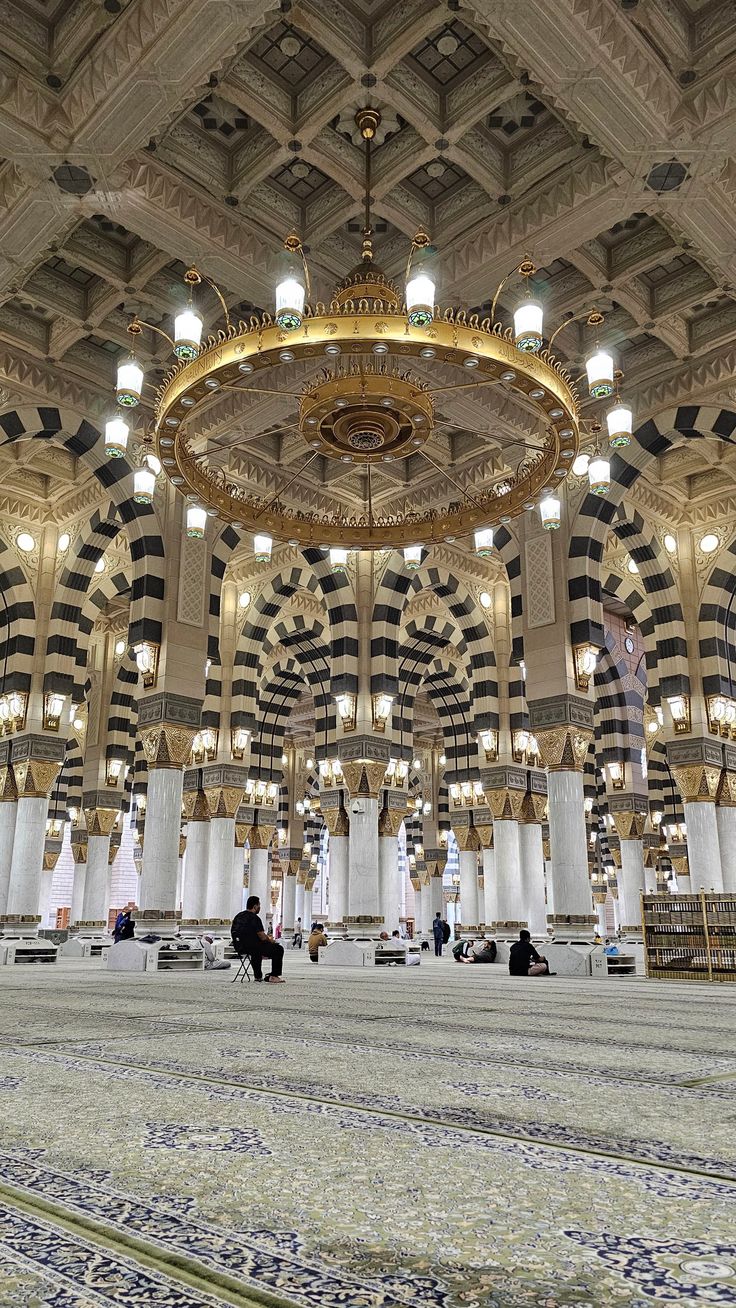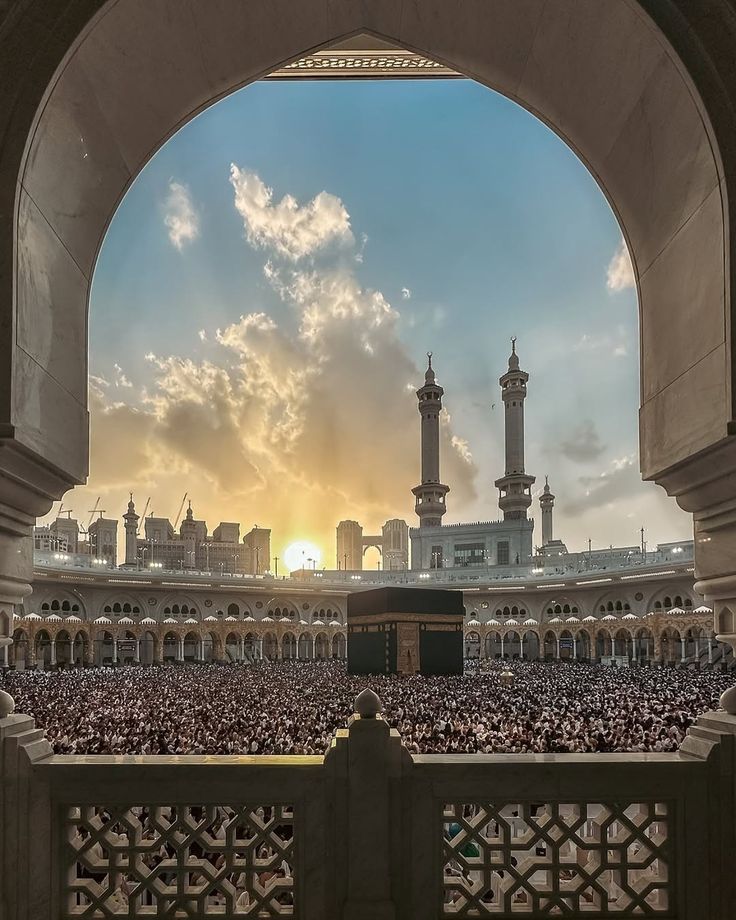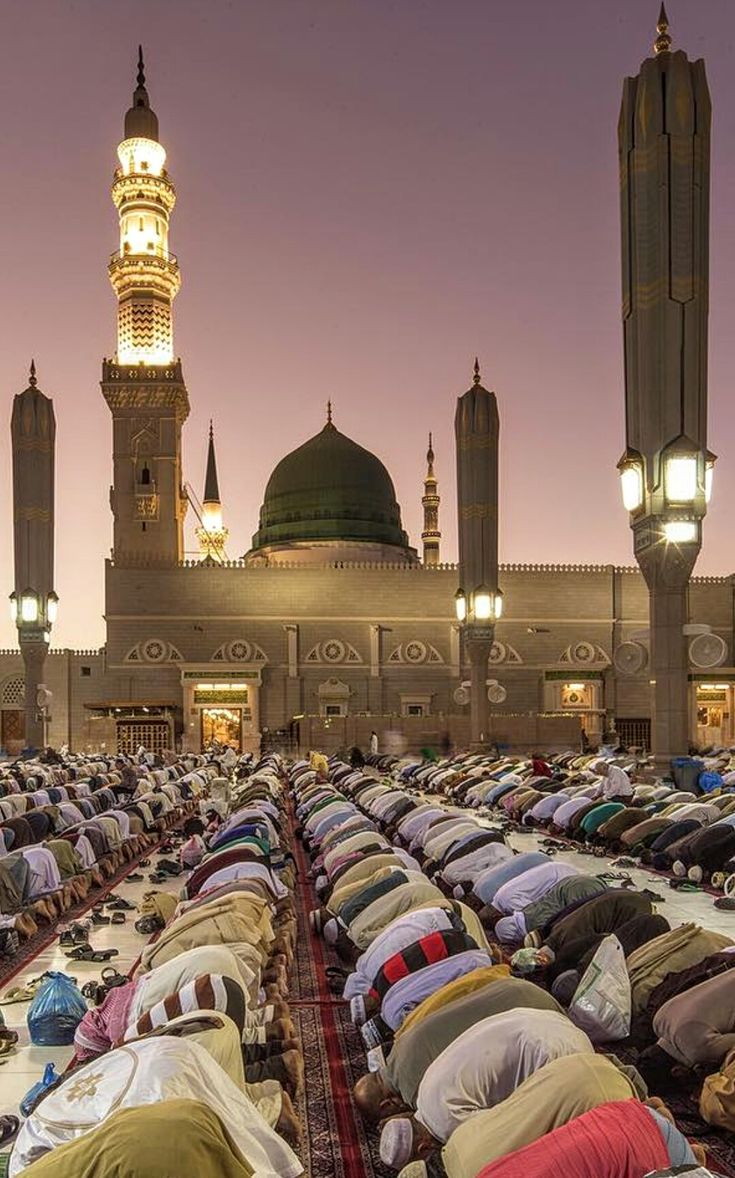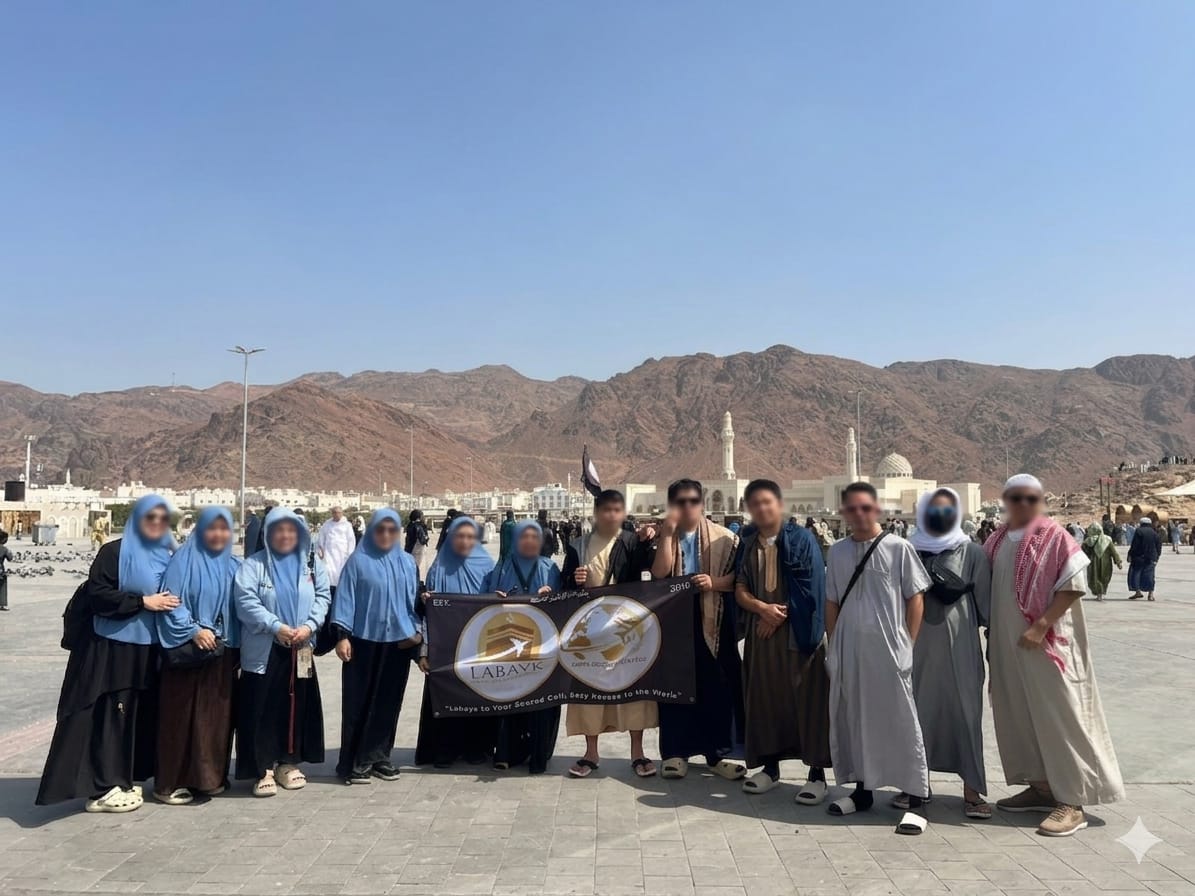
Performing Umrah during the holy month of Ramadan is considered a pinnacle spiritual experience, as Islamic tradition holds that the rewards for the pilgrimage are multiplied during this time. The Prophet Muhammad (peace be upon him) noted that performing Umrah in Ramadan is equivalent in reward to performing Hajj with him, making it the most popular time of the year for pilgrims outside of the Hajj season itself. Because we are currently in Ramadan 2026, the atmosphere in Makkah is electric with devotion, though it requires significant physical and mental preparation to navigate the millions of worshippers gathered for prayer and fasting.
Logistically, the Saudi Ministry of Hajj and Umrah mandates the use of the Nusuk app to secure a specific time slot for performing the rituals. Due to the extreme density of crowds, authorities typically limit each pilgrim to a single Umrah permit during the month to ensure everyone has a fair opportunity to reach the Kaaba. It is highly recommended to schedule your Tawaf during the late morning hours when the sun is high but the crowds are relatively thinner, or in the late hours of the night after the lengthy Taraweeh and Tahajjud prayers have concluded.
Survival during a Ramadan Umrah hinges on managing your energy levels and staying hydrated between Iftar and Suhoor. The physical exertion of performing the seven circuits of Tawaf and the walk between Safa and Marwa while fasting can be taxing, so many pilgrims choose to break their fast within the Masjid al-Haram itself. If you plan to join the communal Iftar on the mosque floor, you should arrive several hours early to secure a spot. Despite the heat and the crowds, the collective spirit of millions of people breaking their fast together creates a profound sense of unity and peace that defines the Ramadan experience.